

Apicoectomy Explained: Treating the Source of Infection
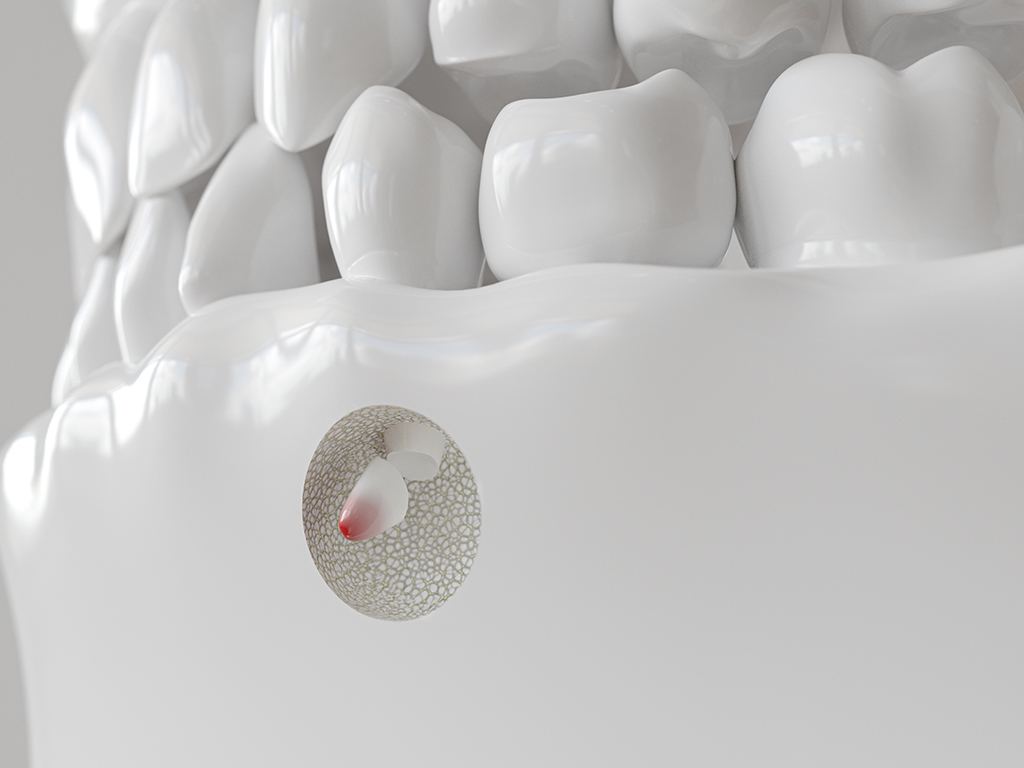
Have you experienced pain or discomfort after root canal therapy? While reliable and incredibly successful, there are times when a root canal may not fully resolve an infection. If harmful bacteria persist near the tip of a tooth’s root, known as its apex, the surrounding bone and tissue can remain inflamed, causing painful complications and putting the tooth at risk. Dr. Carrillo and his team at Texas Panhandle Endodontics may recommend a specialized procedure known as an apicoectomy to skillfully remove the infection and provide your tooth with the best possible chance of survival.
What Is an Apicoectomy?
An apicoectomy or root end surgery is a procedure that’s designed to treat infection at the tip of a tooth’s root that persists after root canal treatment or endodontic retreatment, or when traditional retreatment is not recommended. The microsurgical procedure involves removing the root tip along with any infected tissue and sealing the root’s tip to prevent bacteria from re-entering. The goal is to eliminate the infection at its source and help preserve the affected tooth.
Root end surgery is not the same as retreatment. Retreatment works from the inside of the tooth downward, while an apicoectomy approaches the problem from the outside, through the gum tissue. In many cases, it’s the most effective way to finally resolve stubborn infections that don’t respond to conventional endodontic treatments.
Why Would You Need Root-End Surgery?
Dr. Carrillo may recommend an apicoectomy in the following situations:
- Persistent infection with symptoms continuing after a root canal treatment
- When an endodontic retreatment procedure has not resolved the problem, and extraction is the only remaining alternative
- Calcified or complex canals that cannot be effectively treated using conventional techniques
- Microscopic cracks near the apex that are too small to detect without magnification, but are allowing bacteria to thrive
- Cyst or lesion at the root tip: A cyst or lesion at the root’s tip that requires direct removal
If you’ve been dealing with lingering tooth pain or swelling around a previously treated tooth, don’t ignore it. Early intervention is key to ensuring the best possible outcomes for your smile.
What Can You Expect During the Procedure?
The apicoectomy procedure is typically completed in a single appointment. Dr. Carrillo will begin by numbing the area with a local anesthetic, and sedation is available for patients who need a little extra help to relax during treatment.
Once you’re comfortable, Dr. Carrillo will make a small incision in the gum tissue near the affected tooth to access the underlying bone and root tip. Using a high-powered surgical microscope, he will remove a small portion of the root tip along with any infected tissue. Next, he will clean the area, place a small filling to seal the root end, and close the incision. The entire procedure is performed with exceptional precision, minimizing disruption to the surrounding tissues and supporting bone.
Recovery is usually straightforward. Some mild soreness and swelling in the area are common for a few days, and most patients return to normal activities with minimal interruption. Dr. Carrillo and the team will walk you through aftercare instructions and are available to answer any questions along the way.
The Importance of Treating the Source of Infection
Leaving a persistent infection untreated, even a small one at the root tip, can lead to a host of complications. Over time, bacteria can erode the surrounding bone, spread to neighboring teeth, and lead to tooth loss. An apicoectomy helps stop that process in its tracks.
Saving a natural tooth is always the preferred outcome. Nothing quite replicates the feel, function, and stability of your own tooth, and preserving it helps maintain the health of the surrounding bone and adjacent teeth. An apicoectomy, when indicated, gives a compromised tooth a real second chance.
Apicoectomy Near Me in Amarillo, TX
If you’re experiencing persistent pain or swelling around a tooth that’s undergone root canal therapy or endodontic treatment, contact Texas Panhandle Endodontics to schedule a consultation. Dr. Carrillo may recommend an apicoectomy to eliminate the infection and save the affected tooth. You can count on us for exceptional care with a gentle, compassionate touch. Call us at 806-484-9084 or request an appointment online today!